Weighted wearables, like vests and lap pads, provide gentle, even pressure to help children, especially those with autism, feel calmer and more focused. This pressure, called deep pressure stimulation (DPS), activates the body’s relaxation system, reducing stress hormones (like cortisol) and boosting feel-good chemicals (serotonin and dopamine). Studies show these tools can improve focus by 18%-25% and reduce self-stimulatory behaviors in 4 out of 5 autistic children.
Here’s how they work and why they’re effective:
- Sensory Support: Helps kids process sensory input better, reducing meltdowns and anxiety.
- Improved Body Awareness: Offers proprioceptive input, helping children feel more grounded.
- Versatile Use: Useful during transitions, schoolwork, or high-stress situations.
- Customizable Options: Includes weighted vests, compression garments, and lap pads.
Weighted wearables are most effective when used as part of a broader sensory plan. Start with light weights (5%-10% of body weight) and consult an occupational therapist for safety and effectiveness.
How Weighted Wearables Work for Sensory Regulation
What is Sensory Regulation?
Sensory regulation refers to how we process and respond to the world around us – things like sounds, textures, lights, and movement. For many autistic children, this process can be tricky. Some may crave intense sensory input, while others might go out of their way to avoid it altogether.
When this balance is off, it can lead to meltdowns, trouble concentrating, or heightened anxiety. Tasks that others might find simple can feel overwhelming, especially if proprioception – the body’s sense of where it is in space – is affected. Weighted wearables aim to help by delivering consistent, calming input to the nervous system.
The Science Behind Deep Pressure Stimulation
Weighted wearables rely on a concept called deep pressure stimulation (DPS). These garments use small weights to apply steady, firm pressure to the body’s muscles and joints, offering proprioceptive input. This type of pressure interacts with specific receptors that send calming signals to the brain. [1]
DPS triggers the parasympathetic nervous system, which helps the body relax. It lowers cortisol levels (the stress hormone) while increasing serotonin, dopamine, and melatonin production [2]. The result? A calmer, more focused state that can make tough transitions feel more manageable.
Additionally, this pressure influences the limbic system, which plays a key role in regulating emotions. For children who struggle with sensory overload, DPS can reduce extreme reactions to overwhelming stimuli. For those with proprioceptive challenges, the steady feedback helps them feel more grounded and confident in their movements. These physiological effects explain why weighted wearables are so helpful for many autistic children.
Benefits of Weighted Wearables for Autistic Children
The calming effects of weighted wearables can lead to reduced anxiety, better stress management, and improved sleep. Many children feel less anxious as their nervous systems settle into a more relaxed state.
Weighted wearables are also linked to better sleep, thanks to the increased production of melatonin. On top of this, the proprioceptive input they provide enhances body awareness, making movement feel more natural and secure.
Research from the Priors Court Foundation in the UK showed that deep pressure techniques significantly boosted calmness, engagement, and happiness in most participants. These findings highlight how weighted wearables can make a meaningful difference in the daily lives of autistic children.
How to Introduce Weighted Wearables Safely
Choosing the Right Weighted Wearable
Start by selecting a wearable that matches your child’s sensory needs. Focus on materials like smooth neoprene or soft cotton if your child prefers those textures, and avoid fabrics they dislike.
Many weighted vests come with interior pockets, allowing you to adjust the weight as your child grows or their needs shift. Look for practical features like breathable mesh panels to prevent overheating during longer wear times. The closure system is another key consideration – options like hook-and-loop fasteners or front zippers make it easier for kids to take the vest off independently if they feel uncomfortable, which is an important safety feature. For older children and teens, designs that resemble athletic wear or casual jackets can help them feel more at ease and avoid drawing attention.
Involving your child in the selection process can make a big difference. Let them pick a color or design they love, maybe even one with their favorite character. As you introduce the wearable, use tools like Guiding Growth to track how comfortable and effective it is over time.
Safe Weight Guidelines
Stick to the standard guideline of 5% to 10% of your child’s body weight.
| Child’s Weight | 5% Vest Weight | 10% Vest Weight (Max) |
|---|---|---|
| 30 lbs | 1.5 lbs | 3 lbs |
| 40 lbs | 2 lbs | 4 lbs |
| 50 lbs | 2.5 lbs | 5 lbs |
| 60 lbs | 3 lbs | 6 lbs |
| 80 lbs | 4 lbs | 8 lbs |
Always consult with an occupational therapist before starting. They can help you determine the right weight and wearing schedule for your child’s specific needs. This is especially important if your child has challenges like respiratory or cardiac issues, serious hypotonia, skin sensitivities, circulatory problems, or hypermobility. If your child is particularly sensitive to touch, begin with a lighter weight and increase it gradually as they get more comfortable.
Gradual Introduction and Monitoring
Ease your child into wearing the vest by introducing it during an activity they enjoy. Keep the first session short – just a few minutes – to help them adjust to the new sensation.
Follow the "on-off" approach recommended by occupational therapists. This typically involves wearing the vest for 20 to 40 minutes, followed by an equal amount of time without it to allow the nervous system to reset and avoid sensory overload.
Pay close attention to how your child reacts. Positive signs include better focus, reduced fidgeting, calmer body language, and lower anxiety levels. If your child seems irritable, tries to take the vest off, or shows signs of discomfort, remove it immediately. You can try again later with less weight or a shorter session.
Use the vest strategically during specific situations that might be challenging for your child – like transitioning between activities, attending school assemblies, working on homework, or visiting the doctor. Make sure the vest fits snugly but doesn’t restrict movement or breathing. Track your child’s behavior and emotional responses to see if the vest is helping achieve your goals. This gradual, thoughtful approach can help make weighted wearables a helpful part of your child’s sensory routine.
Adding Weighted Wearables to a Sensory Diet
Building a Balanced Sensory Diet
Once you’ve safely introduced weighted wearables, the next step is incorporating them into a well-rounded sensory diet to support ongoing regulation.
A sensory diet is essentially a structured plan of sensory activities and tools designed to help your child maintain focus and calmness. Weighted wearables provide proprioceptive input – a grounding sensation – that pairs well with other sensory supports like movement activities or compression clothing. For instance, you might combine a weighted vest with swinging or jumping to balance proprioceptive input with vestibular (movement and balance) input. For children sensitive to certain fabrics, compression clothing can be worn under the weighted vest. This not only provides consistent tactile input but also creates a barrier that can make wearing uniforms or other fabrics more tolerable.
Weighted wearables are most effective in calm and predictable environments, where their calming effects can be fully experienced. Collaborating with an occupational therapist can help you understand your child’s sensory needs and build a routine that works best for them.
Tracking Progress with Guiding Growth
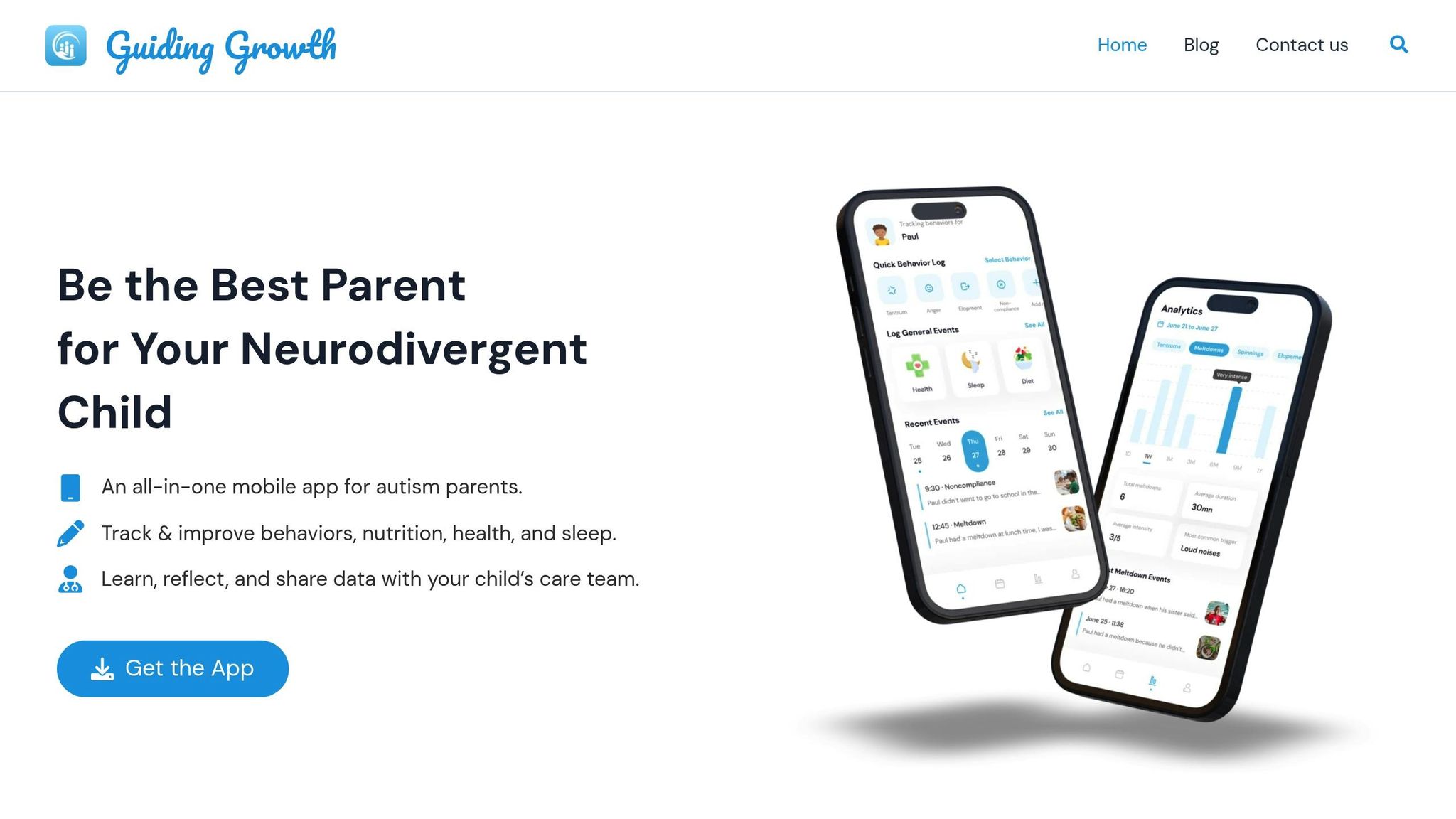
Tracking progress is a key part of fine-tuning a sensory diet to better suit your child’s needs.
Once a weighted wearable becomes part of your child’s routine, it’s important to monitor how well it works. The Guiding Growth app makes this easier by allowing you to log the duration of vest use and note any changes in behavior. Over time, these records can highlight patterns, such as increased effectiveness during morning transitions.
The app also helps streamline communication with healthcare providers by generating clear, organized reports based on your observations. These reports can guide professionals in making adjustments to the weight, schedule, or even exploring other sensory tools. This way, you’re not just observing from the sidelines – you’re actively contributing to your child’s sensory support plan.
sbb-itb-d549f5b
Types of Weighted Wearables Compared
Weighted Wearables Comparison
When introducing weighted wearables, it’s important to consider the various types available. Choosing the right option depends on sensory preferences, daily habits, and overall comfort.
Standard weighted vests are a popular choice. They contain weights – usually sand or steel – distributed evenly across the torso. This design provides deep touch pressure, which can help with transitions and maintaining focus in settings like classrooms. Many newer versions resemble everyday clothing, making them more discreet.
Compression vests offer a different sensory experience. Instead of relying on weight, they provide a snug, hugging sensation using stretchy materials like Lycra. These vests can often be worn under regular clothing, making them suitable for all-day use. Some models combine compression with weight for added benefits.
Lap pads are smaller, portable weighted items designed for seated activities such as doing homework or eating. They’re easy to use and less noticeable, making them a practical choice for improving focus during stationary tasks. Wrist weights, on the other hand, deliver localized sensory input, which can be helpful for fine motor activities or reducing repetitive behaviors.
| Wearable Type | Sensory Benefit | Best Use | Key Consideration |
|---|---|---|---|
| Standard Weighted Vest | Deep Touch Pressure (DTP) | Transitions, classroom focus | Ensure weight is evenly distributed; aim for 5–10% of body weight |
| Compression Vest | "Hugging" sensation + DTP | High-stress situations (e.g., doctor visits) | Made from Lycra; provides a snug fit |
| Inflatable Vest | Adjustable pressure | Users who prefer customizable input | Requires manual adjustment; intensity can be tailored |
| Lap Pad | Grounding/Lower body input | Seated tasks like homework or meals | Portable and less noticeable than vests |
| Wrist Weights | Localized proprioception | Fine motor tasks or reducing repetitive behaviors | Limited research on overall effectiveness |
When choosing a wearable, consider fastenings that align with the user’s motor skills and materials that accommodate their tactile sensitivities. By understanding these distinctions, you can better incorporate the right wearable into a sensory routine for your child.
Conclusion
Weighted wearables offer deep pressure stimulation, much like a firm and comforting hug, which activates the parasympathetic nervous system. This can help reduce anxiety, improve focus, and provide a sense of grounding for the body.
That said, individual responses can differ. While some studies report an 18% to 25% improvement in on-task behavior among children using weighted vests, not every child will experience the same benefits. For some, these tools can feel calming and supportive, while others might find them restrictive or uncomfortable. Because of this, tracking progress is key to understanding whether a weighted wearable is making a meaningful difference.
The Guiding Growth app simplifies this process by allowing you to log vest usage alongside changes in behavior, focus, and emotional regulation. Over time, this data can reveal helpful patterns, providing valuable insights to share with occupational therapists, teachers, or other professionals involved in your child’s development.
It’s important to remember that weighted wearables work best when used as part of a broader sensory plan, rather than as a standalone solution. When combined with other sensory strategies and professional guidance, they can support better regulation and comfort. For one child, this might mean fewer meltdowns, while for another, it could lead to improved focus and engagement.
FAQs
What are the benefits of weighted wearables for sensory regulation in autistic children?
Weighted wearables deliver deep pressure stimulation, which engages the parasympathetic nervous system. This process can promote a sense of calm, ease anxiety, and enhance focus. For autistic children, this type of sensory input often helps manage overstimulation and may reduce repetitive behaviors.
The steady, gentle pressure provided by these wearables aids in sensory regulation, helping children feel more grounded and in control of their surroundings.
What are the safety tips for using weighted wearables?
To safely use weighted wearables like vests, keep these important points in mind:
- Weight: A good rule of thumb is that the wearable should weigh about 10% of the person’s body weight. Start with a lighter weight, introduce it gradually, and consult an occupational therapist (OT) for tailored advice.
- Fit and Duration: Make sure the wearable fits snugly without restricting movement or causing discomfort. Use it during specific activities and limit wear time to short intervals, usually 20–40 minutes, to prevent overstimulation.
- Monitoring: Pay close attention to how the individual responds. If there are any signs of discomfort or distress, remove the wearable right away.
Weighted wearables work best as part of a well-rounded sensory regulation plan, ideally developed with guidance from an OT. Regularly review the weight and usage schedule to maintain both safety and effectiveness.
Can weighted wearables alone address sensory challenges?
Weighted wearables, such as weighted vests, can play a role in supporting sensory regulation. However, they’re not a one-size-fits-all solution and work best as part of a more comprehensive sensory support plan tailored to the individual.
To maximize their effectiveness, it’s important to use these tools under the guidance of a trained occupational therapist. An expert can customize strategies based on the child’s unique sensory needs, ensuring the wearables are used in combination with other interventions that support emotional and sensory balance.