Interfaith autism support groups bring together families from different religious backgrounds to navigate the challenges of raising children with autism. These groups focus on how faith and neurodiversity intersect, offering emotional and practical support while addressing issues like sensory sensitivities, inclusion in worship, and social expectations within religious communities. Key takeaways:
- Purpose: Create a safe space for parents to share experiences and find community.
- Activities: Regular meetings, workshops, sensory-friendly worship, and tailored religious education.
- Support: Faith leaders and volunteers help families feel understood and included.
- Benefits: Emotional connection, resource sharing, and long-term networks for families.
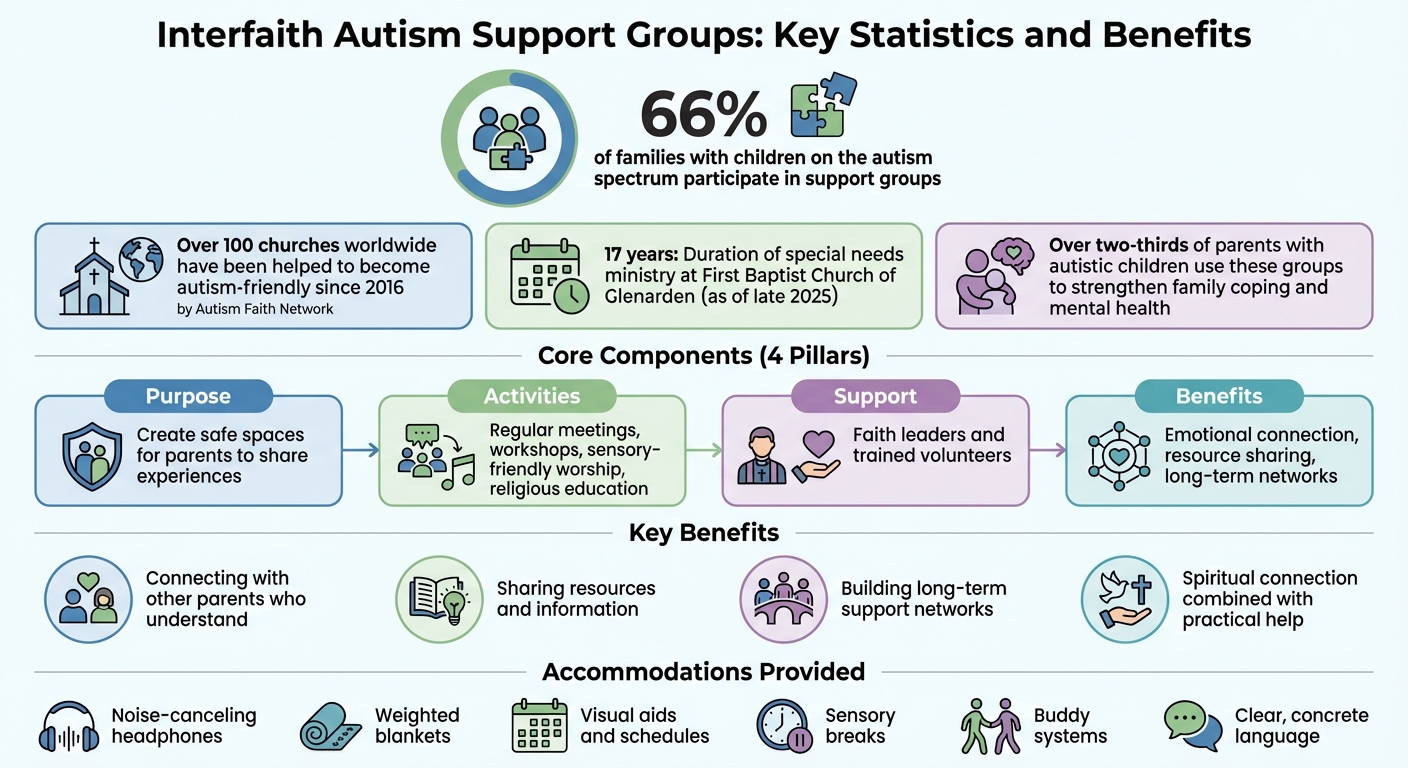
Interfaith Autism Support Groups: Key Statistics and Benefits
Autism Inclusion in the Christian Church – with Sunita Theiss
sbb-itb-d549f5b
How Interfaith Autism Support Groups Work
Interfaith autism support groups bring together faith leaders, volunteers, and families from various religious backgrounds. These groups aren’t tied to a single denomination but instead create shared spaces where Christian, Muslim, Jewish, and other communities collaborate toward shared goals. Their structure often includes regular meetings, educational workshops, and activities that foster a sense of community. Below, we’ll explore the roles, programs, and inclusive practices that make these groups impactful.
Faith Leaders and Community Involvement
Religious leaders from different traditions play a key role in fostering environments where families feel supported and understood. They also train volunteers to communicate effectively with autistic individuals by using clear and straightforward language [3][2].
For example, since 2016, the Autism Faith Network has helped over 100 churches worldwide adapt to be more autism-friendly [5]. Another notable effort is led by Rev. Sylvia Taylor, who has been running the special needs ministry at the First Baptist Church of Glenarden for 17 years as of late 2025. Her work has created safe and welcoming spaces where individuals with disabilities can engage in their faith journeys [5].
Common Activities and Programs
These groups offer a variety of programs tailored to meet the needs of families while respecting their diverse beliefs. Inclusive religious education is a cornerstone, often incorporating visual aids, sensory breaks, and peer mentoring to ensure autistic children can participate in spiritual learning alongside their peers [2][8]. Other offerings include respite care, parent support groups, and pastoral counseling designed to support caregivers [2][9].
One inspiring example involves an autistic member who initially struggled with engagement but later contributed to creating sensory-friendly educational materials. His efforts were publicly recognized, showcasing how these groups can help individuals thrive [8].
Many groups also collaborate with professionals, such as Applied Behavior Analysis (ABA) providers, to develop personalized success plans for children involved in religious activities [3]. Educational workshops on autism awareness, sensory-friendly worship services, and community service projects are common, helping to bridge gaps between faith communities and families with autistic children. These activities are thoughtfully designed to honor various belief systems.
Respect for Different Beliefs
A core principle of these groups is respect for the wide range of spiritual experiences. They recognize that spirituality is deeply personal – some may find meaning in quiet reflection, while others connect through sensory-rich rituals or logical exploration of religious texts [2]. This understanding ensures that no single approach dominates, fostering inclusivity.
To make religious teachings accessible, groups use clear and concrete language to explain abstract or symbolic concepts, which helps those who think more literally to engage [1][3]. Sensory tools, like noise-canceling headphones and weighted blankets, are also provided to help individuals manage overwhelming moments. Additionally, the concept of the Double Empathy Problem emphasizes that understanding is a two-way street, encouraging mutual respect and patience [6].
Benefits of Joining These Groups
These interfaith autism support groups offer a lifeline to families, combining emotional support, practical tools, and meaningful connections that can make a lasting difference.
Connecting with Other Parents
One of the most impactful benefits is the sense of connection these groups provide. Parents no longer feel isolated – they can share their experiences openly, without fear of judgment or misunderstanding. These spaces allow them to talk about their journey with others who truly get it [7][10]. As Kelly, a parent, put it:
"The community needs church and support… I wish churches realized that you touch the lives of the entire family and not just the child or adult" [1].
The shared faith perspective adds another layer of support, turning individual struggles into collective strength. Malia K. Salaam-Cisse highlighted this beautifully:
"Our spiritual assembly has become a second family and helps facilitate smoother transitions when worshiping communally" [11].
This combination of empathy and shared spiritual grounding fosters connections that go beyond typical support groups. These deep ties naturally encourage the exchange of helpful resources.
Sharing Resources and Information
Practical advice flows freely in these groups, covering everything from behavior management strategies to tips on navigating educational systems. Members often share research-based materials and resources, like the Autism Faith Network’s 2025 Activity Toolkit, which helps children prepare for the sensory demands of religious services [5]. Experienced parents also take on mentoring roles, guiding those who are new to the challenges of an autism diagnosis [10].
Some groups even collaborate with professionals, such as Applied Behavior Analysis providers, to develop personalized support plans [3]. This mix of peer insights and expert input ensures that families have access to a variety of tools to meet their specific needs.
Building Long-Term Support Networks
Perhaps the most enduring benefit is the long-term support these groups foster. The relationships built here often extend far beyond the scheduled meetings, creating a network of trusted friends who offer advice, encouragement, and understanding [7]. Allen Obie John Smith, Founding Executive Director of Autistic Catholics, shared his motivation for starting such a group:
"I think my own experience of feeling alone as a diagnosed autistic person really contributed the most to the founding, and I knew I wasn’t alone in my feeling of isolation" [7].
Parenting a child with autism is a long journey, and having a reliable network of friends who understand your challenges – and share your spiritual values – can provide stability and reassurance. These connections often become like a second family, offering support through both the tough times and the moments worth celebrating.
What to Expect at Your First Meeting
Your first interfaith autism support meeting is designed to help you feel comfortable and ease any first-time nerves.
A Welcoming Atmosphere
Most groups go out of their way to make newcomers feel at home. Some even offer buddy systems, pairing trained volunteers with children or adults who might need extra support during the meeting. Bringing a comfort item, like a favorite toy or blanket, can also help create a sense of calm. Many groups provide sensory-friendly accommodations, such as noise-reducing headphones or weighted blankets, to ensure everyone feels at ease.
It’s a good idea to communicate your needs ahead of time. Let the organizers know about any sensory triggers or seating preferences – whether you’d prefer to sit near the front, back, or even by the door. These small steps show the group’s dedication to creating an inclusive space for people of all faiths. As Tonya Nash, Founder of the Autism Faith Network, puts it:
"If there’s any space that should be equipped to welcome autistic people, it should be places of worship" [5].
Discussing Challenges Through Faith Perspectives
Many of these groups explore autism-related challenges through a spiritual lens, often focusing on the idea that individuals are "wonderfully made" rather than needing to be "fixed." Conversations usually happen in smaller groups, making it easier to connect on a deeper level and share insights based on your own faith. You’ll likely notice that discussions are straightforward and literal – many autistic members appreciate clear language over abstract or metaphorical expressions.
There’s no rush to share your story. For example, Eric Spencer, a member of the First Unitarian Universalist Fellowship of Hunterdon County, started attending but only participated for 10–15 minutes at first. Over three years, he gradually felt comfortable enough to share during the “Celebrations and Concerns” portion of services [8]. This kind of gradual involvement is completely normal and encouraged.
Tips for First-Time Attendees
Here are some practical ideas to help you feel more at ease during your first meeting:
- Start by simply listening and observing. There’s no pressure to speak right away.
- Consider taking on a small volunteer role, like helping with crafts or setting up signage. This gives you a structured way to engage without the stress of small talk. Eric Spencer, for instance, used his artistic skills to cut out letters for the religious education program, which eventually helped him feel more connected [8].
- Remember, this is a space where everyone works together to bridge communication gaps. Questions are welcomed, and judgment is left at the door.
These meetings are all about creating a safe, supportive environment where you can participate at your own pace.
Using Daily Tracking Tools to Support Your Journey
Interfaith autism support groups thrive on shared experiences and mutual learning. Incorporating daily tracking tools into these conversations not only deepens personal understanding but also strengthens collective advocacy. These tools provide clear, actionable data that can help explain your child’s needs and offer insights from other families’ experiences.
Sharing Insights from Guiding Growth
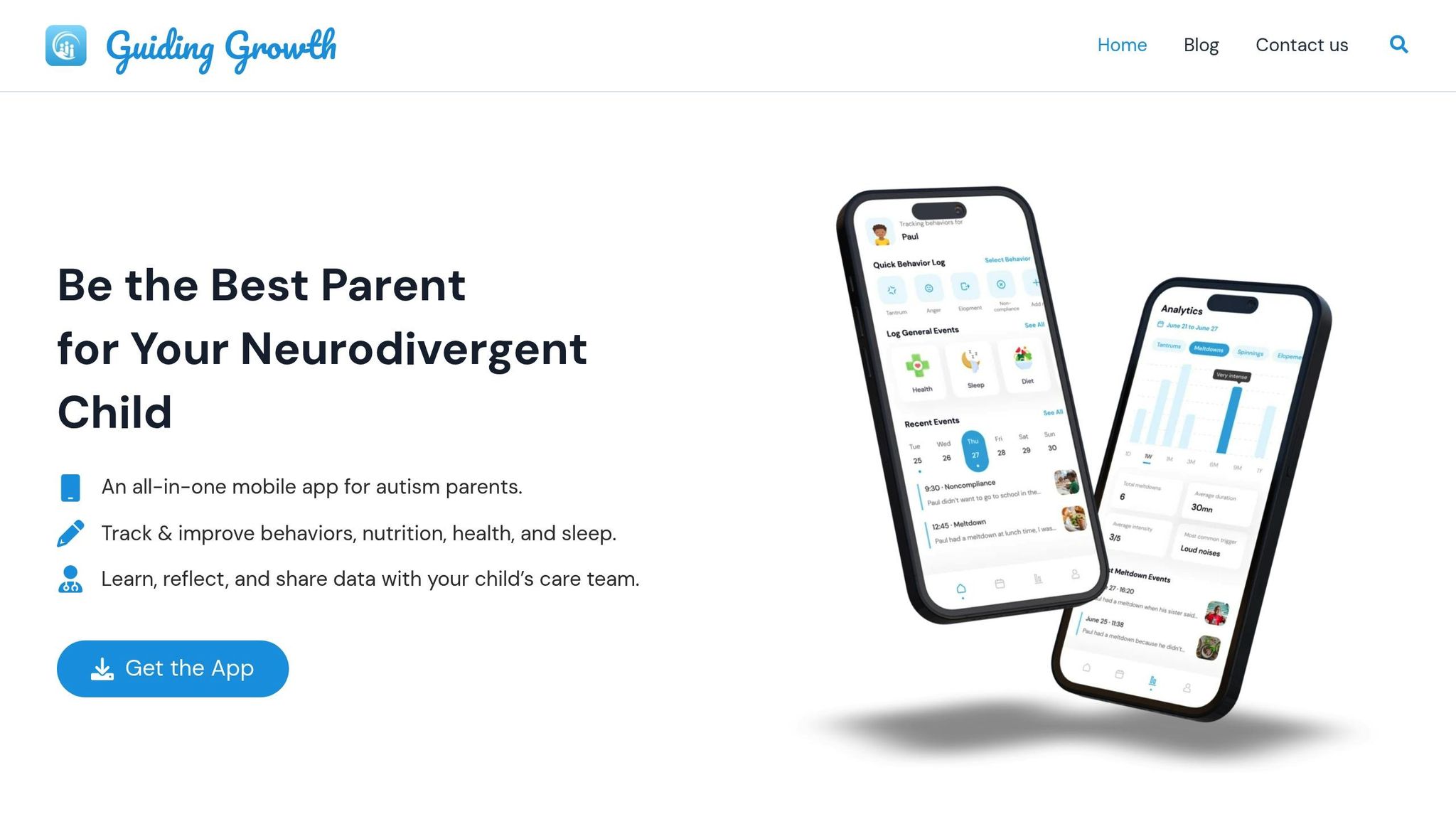
Using an app like Guiding Growth to track behaviors, health patterns, and routines creates a detailed snapshot of your child’s day. This kind of information can make your explanations during group discussions much more precise. For instance, if your child feels anxious before attending religious services, tracking data might reveal specific triggers – like transitions or crowded spaces. This can help you communicate effectively with faith leaders, addressing what Krysia Waldock, a PhD candidate at the University of Kent, highlights:
"Often staff and members of religious organizations do not recognize religious gatherings as social and sensory spaces, much like other social settings and gatherings" [6].
Tracking tools can also shed light on co-occurring challenges, such as sleep disturbances or digestive issues, that may impact your child’s participation in faith-based activities [4]. Visual reports can illustrate patterns in behaviors like stimming or vocalizations, helping others understand that these are self-regulation techniques rather than disruptive actions [4].
Additionally, parents can document which accommodations yield the best results. For example, did noise-canceling headphones help your child during a recent service? Or did a weighted vest improve their focus during religious education? Tracking these outcomes provides tangible evidence of what works [3].
Armed with this detailed information, you’ll feel more prepared to discuss your child’s needs with confidence.
Building Confidence Through Data
When equipped with comprehensive data, navigating difficult discussions becomes less daunting. Concrete information transforms how you engage in support group conversations. Studies show that 66% of families with children on the autism spectrum participate in support groups, often while managing high-needs situations like sleep issues, language delays, or self-harming behaviors [12]. By bringing tracked data to these meetings, you can address these challenges more effectively and ask specific, informed questions.
Daily logs also help you pinpoint key concerns ahead of time, ensuring productive discussions with other parents and faith leaders [13]. This preparation enhances your ability to advocate for essential accommodations, such as visual schedules [3]. As On Target ABA emphasizes:
"Parents know their child best" [3].
Your tracking data reinforces this expertise, giving you the tools to collaborate with faith communities on tailored participation plans [3].
Conclusion
Interfaith autism support groups offer a unique blend of spiritual connection and practical help. Over two-thirds of parents with autistic children turn to these groups to strengthen family coping mechanisms and boost mental health [14]. These gatherings shift the parenting experience from feeling isolated to feeling connected, creating a safe environment to share emotions, challenges, and successes without fear of judgment [14][15]. They lay the groundwork for improving support with meaningful, actionable steps.
From the warmth of initial meetings to the consistency of daily tracking, every effort contributes to building a strong support system. Combining community support with tools like Guiding Growth enhances the ability to make informed decisions. While the group offers emotional comfort and shared advice, tracking autism meltdowns, sleep habits, and sensory triggers provides solid data to bring to these discussions. This dual approach ensures you’re not just expressing frustrations – you’re exchanging strategies and uncovering new possibilities [14].
For families seeking a sense of belonging, this approach offers something deeply impactful. As On Target ABA explains:
"For families, inclusion means relief – the relief of not having to apologize, explain, or hide behaviors." [3]
Joining a faith-based community with peer support and well-documented insights equips you to advocate more effectively while feeling truly accepted. You’re no longer navigating this journey alone – both a supportive community and actionable knowledge help light the way forward.
FAQs
How do I find an interfaith autism support group near me?
Finding interfaith autism support groups can start with contacting organizations like the Autism Society of Nebraska or checking out resources such as the Autism Faith Network. These groups often serve as a bridge, offering advocacy, faith-based support, and community events tailored to families and individuals impacted by autism.
You can also explore online directories like Autism Connect, which can help you locate nearby support groups. These directories are a handy way to discover communities that align with both your faith and your needs, making the journey a little less overwhelming.
What should I bring or share at my first meeting?
When attending your first interfaith autism support group meeting, it’s a good idea to come prepared. Here are a few things you might want to bring along:
- Insights into your child’s needs and experiences, such as their sensory preferences or daily routines, to help others understand their unique challenges.
- Any relevant notes or documents, like progress updates or information about accommodations, to share or discuss with the group.
- Specific questions or concerns you have about the group’s activities, routines, or how they might support your child.
- Details about your child’s strengths and interests, which can help create connections and foster mutual understanding.
- Useful tools or resources, like organization apps or materials you’ve found helpful, to share ideas or stay informed.
Being prepared can make the experience more productive and help you connect with others in the group.
How can Guiding Growth help me advocate for accommodations at worship?
Guiding Growth supports parents and caregivers in advocating for worship accommodations by helping them track their child’s behaviors, sensory sensitivities, and daily routines. The app allows users to share this information with faith leaders to request adjustments such as sensory-friendly spaces, quiet zones, or consistent routines. By providing a structured way to communicate these needs, the app helps families create more inclusive worship settings for autistic individuals.