Dinner starts in ten minutes. You have one child asking for the same safe food as yesterday, another melting down because the chicken looks different, and a label in your hand that seems fine until you spot starch or sugar hidden in the ingredient list. Parents usually do not need another vague list. They need a system they can follow and a way to tell whether the work is helping.
The Specific Carbohydrate Diet, or SCD, is a structured elimination approach built around foods that are less likely to leave hard-to-digest carbohydrates in the gut. In practice, that means removing grains, many sugars, most processed foods, and higher-lactose dairy, while centering meals on plain proteins, eggs, non-starchy vegetables, fruit, nuts, honey, and selected fermented foods. The food rules matter, but the essential work happens after the grocery trip, when you are trying to turn those rules into breakfasts your child accepts, lunches that travel well, and dinners that do not end in a standoff.
I see the same trade-off come up again and again. A food can be technically legal on SCD and still be a poor fit for a specific child because of texture, constipation, loose stools, sleep disruption, or behavior changes later in the day. That is why a useful scd diet food list does more than say yes or no. It helps you test foods in a way you can observe, repeat, and adjust.
This guide organizes SCD foods into eight practical categories so you can make decisions faster, shop with fewer mistakes, and spot patterns over time. Pairing the list with a simple tracking routine matters just as much as the menu itself. If you want a clear method, this guide on using food trackers for autism diets shows how to log meals alongside stool changes, sleep, focus, and regulation so you can see what is helping your child rather than guessing.
Table of Contents
- 1. Meat, Fish, and Poultry
- 2. Eggs
- 3. Non-Starchy Vegetables
- 4. Healthy Fats and Oils
- 5. Legal Fruits
- 6. Nuts, Seeds, and Nut Butters
- 7. Honey and Legal Sweeteners
- 8. Fermented Foods and Bone Broth
- SCD Diet: 8-Category Food Comparison
- Your Action Plan
1. Meat, Fish, and Poultry
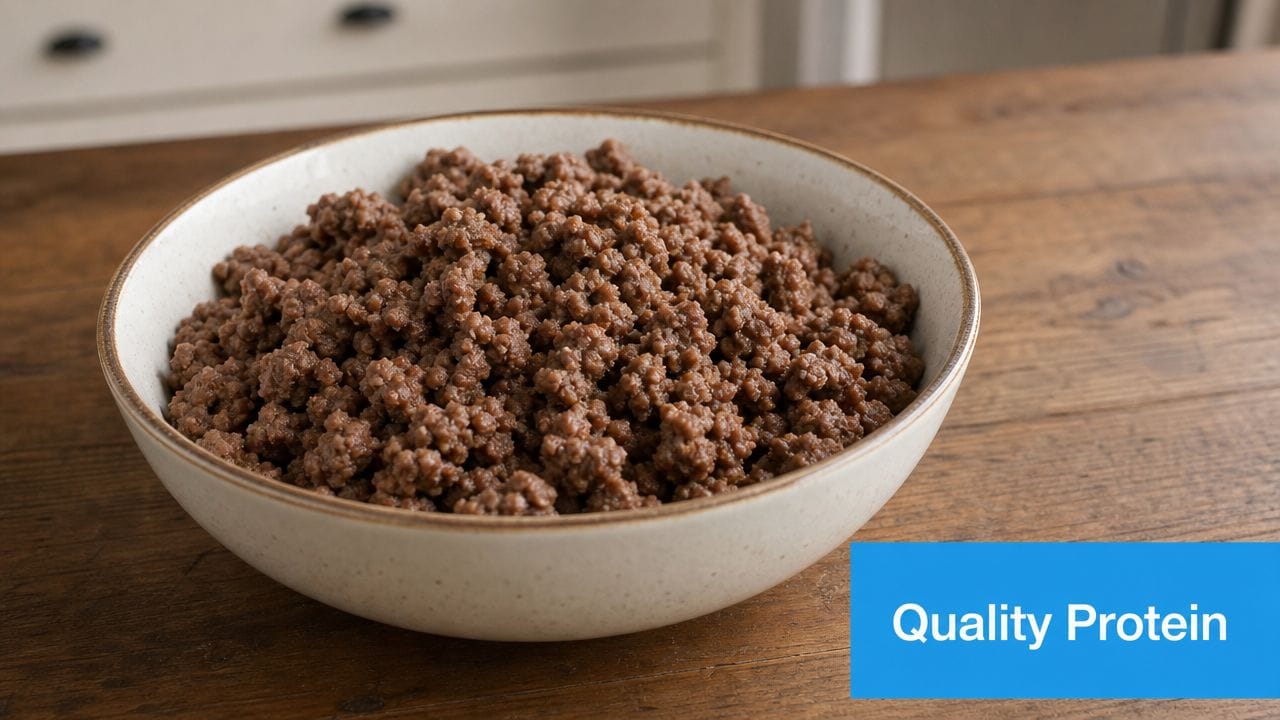
Dinner goes better in many homes when the protein is simple, familiar, and predictable. On an SCD diet food list, meat, fish, and poultry usually give families that starting point because they are naturally low in the carbohydrates the diet removes, as long as the product is plain and free of added starches, sugars, and fillers.
This category often matters for more than nutrition. A steady, tolerated protein can make meals easier to repeat, which helps parents notice patterns. If a child sleeps better, has fewer stomach complaints, or gets through the afternoon with less irritability after certain meals, that is useful information. The goal is not to build a perfect menu on day one. The goal is to create a food routine you can track.
Why these foods usually come first
Plain proteins are often the easiest place to reduce variables. A seasoned sausage, breaded nugget, or deli turkey can introduce gums, starches, or sweeteners that muddy the picture. Plain ground beef, baked chicken, turkey patties, or a simple piece of fish gives you a cleaner read on what your child tolerates.
Texture usually decides whether a food succeeds.
A child who rejects chicken breast may do well with finely shredded chicken in soup. Another may accept beef only as a soft crumble, not as meatballs or slices. I usually tell parents to start with the form their child already trusts, even if it is less visually appealing than the version adults prefer. Consistency beats ideal presentation, especially in the first few weeks.
A few practical options:
- Ground beef bowls: Easy to batch cook, freeze, and reheat in small portions.
- Shredded chicken: Useful for soups, lettuce wraps, or mixing into cooked vegetables.
- Turkey patties: Good for children who prefer clear edges and repeatable shapes.
- Baked salmon: Flakes easily into small bites and works well with olive oil.
- Slow-cooked beef: Softer texture can be easier than steak or roast slices.
Shopping is where many families get tripped up. “Plain” does not always mean plain. Check labels on deli meats, pre-marinated cuts, meatballs, canned fish, and frozen burger patties. The trade-off is convenience versus ingredient control, and in practice, ingredient control usually saves frustration later.
For a practical system for logging which proteins lead to calmer afternoons, better stools, or fewer bedtime struggles, use a food tracker for autism diets. That is where this stops being just a legal-food list and becomes a usable plan. If chicken works but salmon leads to refusals, or ground beef helps satiety better than turkey, tracking helps you act on what you see instead of guessing.
2. Eggs

Eggs are one of the most practical foods on an SCD diet food list because they're fast, flexible, and easy to pair with other allowed foods. They work for breakfast, lunchbox add-ons, quick dinners, and homemade baked recipes. When families are overwhelmed, eggs often become the “I need something legal in ten minutes” option.
Soft-boiled eggs, scrambled eggs cooked gently in ghee, omelets with zucchini, and baked egg muffins can all fit. The advantage isn't just convenience. Eggs also tend to be easy to prepare in repeatable textures, which matters when your child wants the same look and feel every time.
Where eggs help and where they backfire
Eggs can be a win for routine, but they're not automatically a win for every child. Some children do well with soft textures like scrambled eggs. Others reject the smell, the yolk texture, or the visual contrast between white and yellow. In those cases, baked egg-based foods are often easier than a plainly cooked egg on a plate.
A few ways to use them:
- Soft-boiled eggs: Good for children who like neat, predictable portions.
- Egg muffins: Easier to batch cook and easier to serve cold or warm.
- Custard-style bakes: Useful when you need a softer texture.
- Vegetable omelets: Better for children who accept mixed foods.
Eggs are most helpful when they stay boring. The more consistent the cooking method, the easier it is to tell whether your child is reacting to the egg itself or just to a changed texture.
If you're trialing eggs after a period of food sensitivity, introduce them without adding three other new foods at the same time. Otherwise, you won't know what caused the response. That kind of clean tracking matters more than perfect meal variety in the early phase.
3. Non-Starchy Vegetables
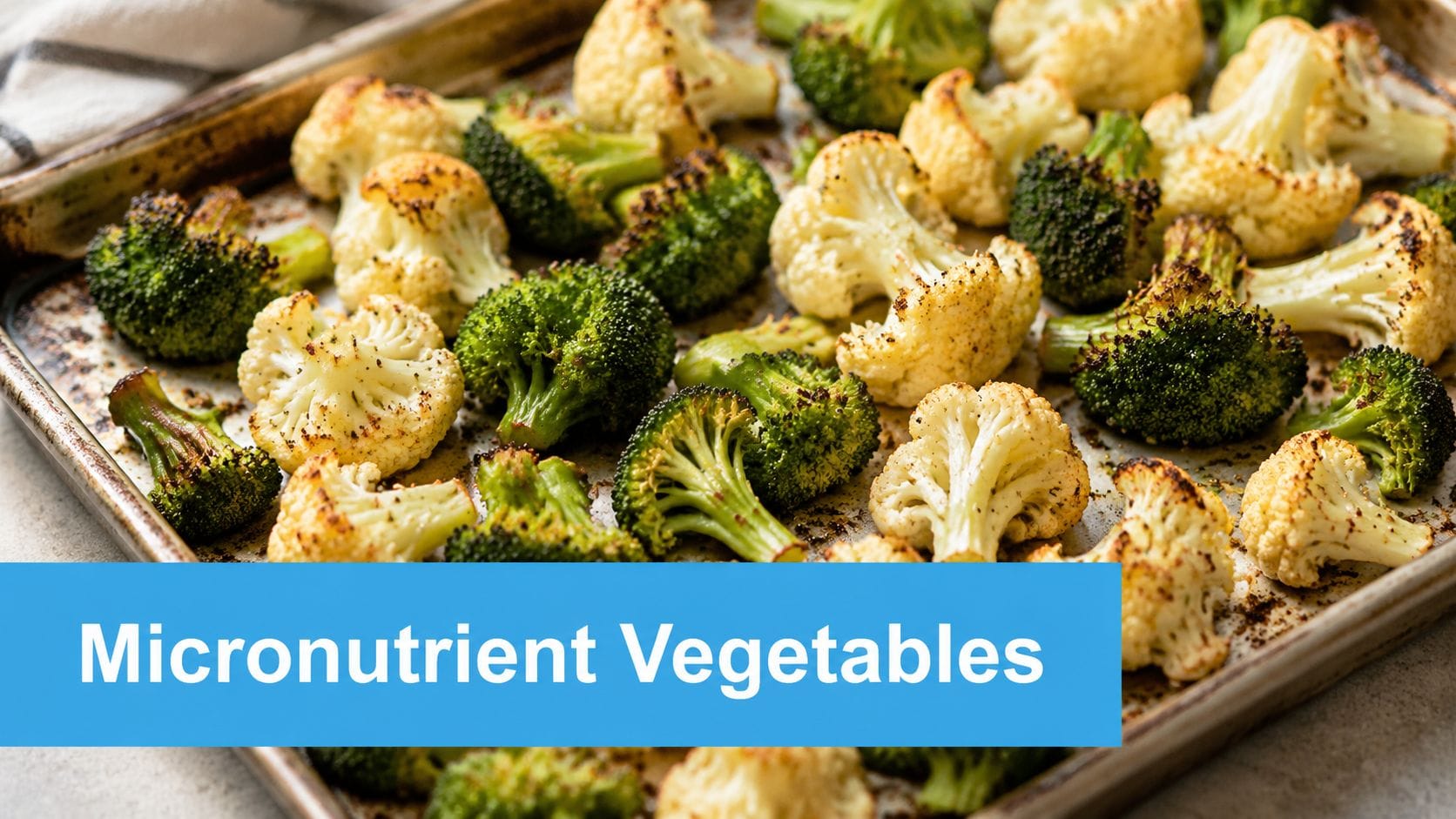
Dinner is often where SCD gets harder. A child who will eat a plain protein may still refuse the vegetable because it looks wet, smells stronger than usual, or feels different from last time. On paper, non-starchy vegetables are a straightforward part of the diet. In real life, they are one of the main places where sensory preference and digestion collide.
The usual rotation includes carrots, zucchini, spinach, cauliflower, broccoli, cucumber, and other non-starchy options that fit the plan. The list matters, but the format matters just as much. I tell parents to track vegetables as individual experiments, not as one category. A child may tolerate roasted carrots, reject steamed carrots, and do well again with carrot soup. Those are three different exposures with three different outcomes.
That tracking step is what turns a food list into a system. If broccoli always leads to bloating, loose stool, or a rough evening, that pattern is useful. If peeled cucumber is accepted three times in a row with calm digestion and better dinner participation, that is useful too. A simple weekly log or an autism diet meal plan that helps you track food and behavior patterns makes those connections easier to see.
Match the vegetable to the child, not to the recipe
Roasting works well for many families because it lowers moisture and brings out a sweeter flavor. Pureed soups are useful for children who do better with smooth textures or tire easily with chewing. Finely chopped vegetables can fit into meatballs, patties, or egg bakes when a full side dish is likely to fail.
A few practical options:
- Roasted trays: Broccoli, cauliflower, zucchini, or carrots cooked until lightly browned.
- Blended soups: Carrot, zucchini, or cauliflower pureed until smooth.
- Hidden texture approach: Finely chopped spinach or zucchini mixed into ground meat.
- Crunch-first plates: Cucumber slices or raw carrots for children who prefer firm textures.
Fat choice changes acceptance too. Olive oil gives roasted vegetables a lighter finish, while coconut oil can leave a sweeter, heavier coating that some children notice right away. If you are deciding which works better for your kitchen and your child's taste preferences, Learn Olive Oil's oil comparison guide gives a helpful side-by-side overview.
Keep the rotation small at first. Three vegetables prepared the same way each week tell you more than seven vegetables served randomly. That is how families get past guesswork and start seeing which foods support steadier stools, easier meals, and a more predictable day.
4. Healthy Fats and Oils
Dinner often looks fine on paper, then falls apart at the table because the fat choice changed the smell, texture, or mouthfeel. I see this a lot with children who already have a short list of accepted foods. On SCD, fats are not a small detail. They often decide whether a meal gets eaten, refused, or leads to stomach discomfort later.
Some fats fit the plan well, and some common pantry items do not. The bigger practical issue is hidden fat. Store-bought dressings, mayonnaise, and marinades often contain oils or additives that do not fit SCD, so label reading matters more here than many parents expect.
Ghee, olive oil, coconut oil, avocado, and naturally rendered animal fats are the usual staples. They are not interchangeable in real life. Olive oil can make vegetables feel light and familiar. Coconut oil has a sweeter aroma and heavier coating that some children notice right away. Ghee tends to disappear into the food more easily, which makes it useful for kids who reject visible oil.
Choose fat based on tolerance, not just legality
Use ghee for eggs, patties, or soft cooked vegetables when you want flavor without much visible residue. Use extra virgin olive oil after cooking or in simple dressings. Coconut oil works better in baking, smoothies, or foods where its taste blends in. Avocado helps when a child accepts creamy textures but resists shiny or greasy foods.
A practical way to test fats:
- Ghee: Good for pan cooking and for children who do better with mild, familiar flavors.
- Olive oil: Best for drizzling on cooked foods, soups, or simple salads.
- Coconut oil: Useful in baked snacks or smoothies if the flavor is accepted.
- Avocado: Works well mashed, sliced, or blended into dips.
- Rendered chicken or beef fat: Can improve acceptance in savory meals, but start with small amounts.
Too much fat too fast is a common mistake. Parents often add extra oil because meals look sparse once grains and starches are gone. Then the child gets full quickly, leaves meals half-finished, or seems uncomfortable afterward. A smaller, repeatable amount gives you better information than changing the fat and the portion at the same time.
This is also a good category to track. If a child eats roasted carrots willingly with ghee but refuses the same carrots with coconut oil, that is useful data, not pickiness. Logging those details in the Guiding Growth app can help you connect fat choices with appetite, stool changes, and behavior patterns over a few weeks, especially if you are also working on gradual food acceptance strategies for autistic kids.
If you are comparing options in your kitchen, Learn Olive Oil's oil comparison guide gives a helpful side-by-side overview. Use it as a cooking guide, then let your child's response decide what stays in rotation.
5. Legal Fruits
Breakfast is calmer, stools are more formed, and then one change throws the day off. A larger fruit-heavy snack, juice-like smoothie, or fruit served by itself can be enough to shift appetite, energy, or bathroom patterns in some kids. That does not mean fruit is a bad category on SCD. It means fruit works best as something you can portion, repeat, and track.
Most fresh fruit used on SCD fits well in a meal plan: ripe bananas, berries, apples, pears, grapes, citrus, and melon. The practical question is not only whether a fruit is legal. It is whether that fruit, in that amount, at that time of day, helps your child feel and function better.
I usually tell parents to treat fruit like a testable variable, not a free food. Sweet foods are often easier to accept than proteins or vegetables, so fruit can slowly take over the plate once grains and starches are gone. Then you end up with a menu that is technically compliant but harder to learn from because too many meals look different from day to day.
Use fruit in ways you can repeat
Fruit tends to go better when the serving size is consistent and the rest of the meal is familiar. Apple slices with almond butter, a small serving of berries with breakfast, banana alongside eggs, or cooked pear with yogurt if tolerated are easier to evaluate than frequent fruit-only grazing.
A few patterns that are often easier to manage:
- Ripe bananas: Useful for baking or smoothies, but portion matters because they are easy to overuse.
- Blueberries and strawberries: Simple to serve in small, repeatable amounts.
- Cooked apples or pears: Often better accepted by children who avoid crunchy textures.
- Melon or citrus: Good options for kids who prefer juicy, softer fruit.
One useful rule is to change one thing at a time. If you are trying a new fruit, keep the protein, fat, and meal timing the same. That gives you cleaner information about whether the fruit affected fullness, stooling, mood, or focus.
Tracking proves valuable for families. If your child does well with half a banana at breakfast but gets irritable after a larger smoothie in the afternoon, that pattern matters. Logging the fruit type, amount, and timing in the Guiding Growth app can help you connect food choices with digestive and behavioral changes instead of guessing from memory.
If acceptance is the bigger hurdle, use these practical tips for introducing new foods to autistic kids and keep the fruit trial small enough that the meal still feels safe.
6. Nuts, Seeds, and Nut Butters
A common SCD problem shows up around 3 p.m. A child is hungry, school pickup was rough, and the family needs something fast that will not turn into a digestive setback or a behavioral spiral an hour later. Nuts, seeds, and nut butters often fill that gap because they are portable, calorie-dense, and easy to pair with fruit or yogurt.
They also need more caution than parents expect.
This category works best when families treat it as part of a trackable system, not just a yes-or-no food list. A jar of almond butter may be technically legal, but if it leads to constant grazing, stomach discomfort, or food jags, it is not helping much in practice. The goal is not just to find a compliant product. The goal is to find forms, portions, and timing that support steadier digestion, mood, and focus.
Label reading matters here because many nut and seed products include ingredients that do not fit SCD, such as added sugar, starch, gums, or blended oils. Front-of-package claims are not enough. Check the ingredient list every time, especially with flavored butters, trail mixes, and seed products.
A few patterns tend to work well:
- Single-ingredient nut butters: Almond or cashew butter without sweeteners, starches, or extra oils.
- Smooth textures first: Smooth almond butter, sunflower seed butter, or finely ground nuts are often easier for children who resist mixed textures.
- Nut flours used strategically: Almond flour can help with homemade muffins or pancakes, but it works better as part of a meal plan than as an all-day substitute food.
- Repeatable portions: Small servings make it easier to notice whether a food supports satiety or seems to trigger bloating, loose stool, or irritability.
A few patterns create trouble fast:
- Flavored or oil-roasted nuts: Seasonings and processing often add questionable ingredients.
- Trail mixes marketed as healthy snacks: Dried fruit coatings, sweeteners, and starches are common.
- Heavy reliance on nut-based baking: Some kids end up eating crackers, muffins, and cookies made from nut flour all day, which can crowd out protein, vegetables, and simpler meals.
- Whole nuts for children with oral-motor or chewing concerns: These are often unrealistic and, for some children, unsafe.
Texture matters as much as ingredients. A child who refuses whole almonds may do well with a thin layer of smooth almond butter on apple slices. Another may tolerate baked goods made with almond flour but struggle with dense nut butters. Those differences are useful information. Logging the exact form, amount, and time in the Guiding Growth app helps parents spot whether a food is working as a steady snack option or showing up before constipation, stomach pain, hyperactivity, or a hard bedtime.
For nut-free homes, seed butters can be practical if the ingredient list is clean and the child tolerates them well. Start small. Keep the rest of the meal familiar. That gives you a clearer read on whether the food itself is a good fit.
7. Honey and Legal Sweeteners
You make dinner, finally get your child to accept plain yogurt or a homemade muffin, and then wonder whether the honey that made it possible is helping or just keeping a strong sweet preference in place. That tension is real on SCD.
Honey is the sweetener families use most often on this diet, but "legal" does not automatically mean "use freely." In practice, honey works best as a tool for acceptance and consistency. It can help a child eat yogurt, tolerate a smoothie, or accept a sauce with meat. It can also turn every meal into a negotiation for something sweet if there is no routine around it.
The goal is not to remove sweetness completely. The goal is to make sweet foods predictable enough that you can still see patterns in digestion, mood, focus, and sleep.
A few uses tend to work well:
- A small amount in plain homemade yogurt: Useful if tart flavors stop a child from eating it at all.
- Honey in a smoothie: Can soften strong sour notes and make ingredients easier to tolerate.
- Ripe banana in baking: Adds sweetness with texture that often works better for children who reject drier baked foods.
- A little honey in sauces or glazes: Sometimes improves acceptance of chicken, meatballs, or cooked vegetables.
The trade-off is straightforward. More sweetness usually improves short-term buy-in, but it can blur your read on what helps. A child who seems calmer after a yogurt snack may be responding well to the meal as a whole, or may be crashing after a sweeter food than expected. A child who asks for muffins all day may not be struggling with SCD itself. The pattern may be that sweet legal foods have started crowding out meals with protein and vegetables.
I tell parents to set limits early because it is much harder to pull sweet foods back once they become the standard. Serve them at planned times. Keep portions modest. Pair them with meals or snacks that have staying power.
Then track the details. Log the form, amount, and time in the Guiding Growth app, along with stool changes, stomach pain, irritability, hyperactivity, and bedtime struggles. Over a week or two, families often see whether honey is helping a child stay nourished and flexible, or whether it is gradually becoming the center of the menu.
8. Fermented Foods and Bone Broth
Dinner goes reasonably well, then bedtime falls apart. The only new variable was a few spoonfuls of homemade yogurt at lunch. That is why this category deserves more than a simple yes-or-no food list. Fermented foods and bone broth are often used as daily therapeutic tools on SCD, and they work best when parents introduce them in a way they can track.
Foundation SCD practice often includes 24-hour homemade yogurt, certain aged cheeses, bone broth, and carefully prepared fermented foods. The practical question is not just whether a food is legal. The better question is what happens after your child eats it. Do stools get looser or more formed? Does gas improve? Does your child seem calmer, more irritable, or harder to settle at night? Used that way, this category becomes part of a system for observing digestion and behavior, not just another rule set.
Here's a useful cooking demonstration to pair with the food list:
Bone broth is usually the easier entry point. It is warm, familiar, and easy to fold into meals your child already accepts. Use it in soup, cook vegetables in it, or add a small amount to shredded chicken or rice-substitute dishes if those are already tolerated.
Fermented foods take more skill and patience. The sour taste, stronger smell, and variable textures can trigger pushback fast, even in children who do well with other SCD foods. I tell families to treat fermented foods as a slow exposure process, not a test of compliance.
A pediatric study on SCD nutrition intake found that adequacy can be a concern, even in families trying hard to follow the diet carefully. That matters here. Broth, yogurt, and fermented vegetables can support a child well, but they do not replace enough total calories, protein, or variety across the day. I would rather see a child consistently eating tolerated meals with a small amount of broth than refusing dinner because too many “good” foods were introduced at once.
A practical starting sequence often looks like this:
- Chicken bone broth: Mild flavor and easiest to use in soups or simple cups of broth.
- Beef broth: Richer taste that works better in stew-style meals.
- Homemade yogurt: Best introduced only when the recipe, timing, and portion can stay consistent for several days.
- Fermented vegetables: Start with a tiny taste on the plate, not a full serving.
Consistency matters more than quantity at first.
If a child drinks broth three days in a row and has less stomach pain, that is useful. If yogurt seems fine digestively but your child becomes clingy, wakes more overnight, or refuses the same lunch by day four, that is useful too. Families miss these patterns when they change too many foods at once or rely on memory.
Track the form, portion, and timing in the Guiding Growth app. Then log stool changes, bloating, reflux, sleep disruption, irritability, and food refusal. Over one to two weeks, parents usually get a clearer picture of whether fermented foods are helping, whether bone broth is an easy fluid and protein support, or whether a “legal” food is still not a good fit right now.
SCD Diet: 8-Category Food Comparison
| Item | Implementation Complexity 🔄 | Resource Requirements ⚡ | Expected Outcomes ⭐📊 | Ideal Use Cases 💡 | Key Advantages |
|---|---|---|---|---|---|
| Meat, Fish, and Poultry (Protein Foundation) | Moderate 🔄, sourcing quality, prep time | High ⚡, cost for grass-fed/wild; freezer storage | High ⭐📊, complete protein, B12, zinc; supports growth and neurotransmitters | Foundation protein for growth, satiety, allergy monitoring | Bioavailable protein; nutrient-dense (iron, zinc, B12); bone broth for gut healing |
| Eggs (Versatile Nutrient Powerhouse) | Low 🔄, quick prep, minimal technique | Low ⚡, affordable, shelf-stable; quality varies | High ⭐📊, choline, complete protein; supports neurodevelopment | Quick breakfasts, texture-sensitive children, nutrient boost | Extremely versatile; high choline; easy to prepare and portion |
| Non-Starchy Vegetables (Micronutrient Density) | Moderate 🔄, prep (cook/puree) to improve tolerance | Moderate ⚡, fresh/organic recommended; storage needs | Moderate ⭐📊, vitamins, minerals, antioxidants; prebiotic support | Micronutrient replenishment, detox support, fiber (if tolerated) | Wide phytonutrient range; supports detox and gut microbiome |
| Healthy Fats and Oils (Brain Support) | Low–Moderate 🔄, choose and manage cooking temps | Moderate–High ⚡, quality oils cost more | High ⭐📊, supports myelin, fat-soluble vitamin absorption | Primary cooking fat, brain-support meals, energy-dense needs | Improves nutrient absorption; supports myelin and hormones |
| Legal Fruits (Natural Carbohydrates and Antioxidants) | Low 🔄, choose ripe/approved varieties | Low ⚡, seasonal/organic costs vary | Moderate ⭐📊, natural sugars, antioxidants, pectin | Palatable carb source, smoothies, gradual introduction for tolerance | Natural sweetness, vitamin C, antioxidant support |
| Nuts, Seeds, and Nut Butters (Nutrient-Dense Snacks) | Low–Moderate 🔄, may require grinding/soaking | Moderate ⚡, higher cost; allergy considerations | Moderate ⭐📊, magnesium, vitamin E; calorie-dense nutrition | Portable snacks, concentrated nutrition for picky eaters | High nutrient density in small portions; satiating and versatile |
| Honey and Legal Sweeteners (Naturally Occurring Sugars) | Low 🔄, sourcing raw; strict portion control | Low ⚡, used sparingly; cost modest | Variable ⭐📊, quick energy and enzymes (raw) but may feed dysbiosis | Occasional sweetening, recipe substitution, behavior compliance | Natural monosaccharides; raw honey has enzymes and antimicrobial traits |
| Fermented Foods and Bone Broth (Gut Healing Foundation) | High 🔄, long prep, fermentation safety knowledge | Moderate ⚡, quality bones, time, equipment | High ⭐📊, collagen, gelatin, probiotics; supports gut integrity | Gut-healing phases, microbiome restoration, chronic digestive issues | Collagen and gelatin for intestinal repair; live probiotics and enhanced nutrient bioavailability |
Your Action Plan
Monday breakfast goes well. Tuesday uses the same ingredients from a different brand, and by afternoon your child is bloated, irritable, or refusing dinner. That is the part generic SCD food lists miss. Families do not just need a yes-or-no list. They need a way to connect specific foods, brands, portions, and meal patterns to digestion, sleep, behavior, and daily function.
An SCD diet food list gives you the rules. A workable plan gives you a repeatable system. The diet can be hard to keep up with because shopping takes longer, ingredient labels change, prep work adds up, and eating differently carries a social load for both children and parents. Even families who understand SCD well can lose ground when too many variables change at once.
Treat SCD like a short, structured experiment. Ask practical questions after meals. Was stooling better or worse? Did your child seem more settled, more hungry, more tired, or more rigid with routines? If a food caused trouble, was it the food itself, the portion, the texture, a hidden additive, or the fact that it replaced a more balanced meal?
That kind of tracking matters even more for autistic and neurodivergent children. Predictability, texture, brand consistency, and meal timing can affect the day just as much as the ingredient list. I have seen families make better progress by repeating a small set of tolerated meals and logging outcomes than by chasing variety too early.
Guiding Growth helps turn that process into something you can maintain. You can log meals, ingredients, sleep, bowel changes, and behaviors in one place, then review patterns instead of relying on memory. That makes it easier to separate a rough day caused by a new food from one caused by poor sleep, illness, constipation, or a disrupted routine.
Keep the first phase narrow and clear. Choose a few reliable proteins, two or three tolerated vegetables, a small fruit rotation, one or two fats, and only a couple of extras such as yogurt, broth, or nut butter if they fit your child's current tolerance. Repetition is useful here. It gives you cleaner feedback.
Packaged foods need extra caution. Two products can both look SCD-friendly and still behave very differently because of additives, processing methods, or ingredient substitutions. Broad summaries of SCD are helpful for the big picture, and WebMD's SCD overview is a reasonable starting point, but day-to-day success usually comes from label reading, consistent testing, and honest observation at home.
If broth is part of your routine, this bone broth guide from Peak Performance can help with practical meal-building ideas.
Aim for useful data, not perfect meals. A calmer morning, less abdominal pain, better stooling, steadier energy, or fewer food-related meltdowns are meaningful signs that your system is working. The goal is to build a food plan that supports your child's well-being with fewer guesses, fewer avoidable setbacks, and records you can trust.