At 6 a.m., the kitchen is quiet, but your mind is already replaying last night. You remember the meltdown, the raised voices, and the shirt on the floor. You think it lasted “a long time,” though you're no longer sure whether that means four minutes or twenty. You remember asking your child to get dressed, but the exact trigger, what happened next, and how the episode ended have blurred together.
That uncertainty follows you into school notes, pediatric appointments, therapy sessions, and conversations with another caregiver. A behavior tracking chart gives those moments somewhere reliable to land. Used well, it turns a difficult memory into a clear record of context, actions, timing, and outcomes, without asking you to become a full-time data collector.
Table of Contents
- When Memory Stops Being Enough
- What a Behavior Tracking Chart Really Captures
- Picking One Target Behavior You Can Actually Define
- Logging an Entry in the Moment
- Reading Patterns Without Jumping to Conclusions
- Keeping the Habit Alive on Hard Days
- Sharing What You See with Your Care Team
When Memory Stops Being Enough
The parent in that kitchen may remember the emotional temperature accurately, but details often shift. Was the demand to put on a shirt made before breakfast or after? Had the routine changed? Did the child cry, throw clothing, leave the room, or hit the table? Did the adult offer help, remove the demand, or wait?
Those questions matter because a care team can make different decisions from each answer. “Bedtime was awful” communicates distress, but it doesn't show whether the behavior appeared after a transition, a specific request, sensory discomfort, or a change in the usual routine. A short note written close to the event preserves information that a tired brain may lose by morning.
A small record can change the conversation
A useful entry might say:
- Time: 7:42 p.m.
- Setting: Bedroom
- Antecedent: Parent asked child to put on a new pajama top
- Behavior: Child pushed the shirt away, cried, and hit the mattress
- Consequence: Parent offered the familiar shirt, and crying stopped after the child put it on
That record doesn't label the child as difficult or explain intent. It gives another adult something concrete to discuss. The team can ask whether the new fabric, the transition, the request itself, or the loss of choice deserves closer attention.
Families who are also working on planning, transitions, and remembering routines may benefit from these practical executive function tips, especially when tracking has to fit around meals, school preparation, and sleep.
Practical rule: A brief honest entry is more useful than a perfect reconstruction written several days later.
A behavior tracking chart isn't paperwork for its own sake. It's a decision tool. It helps parents, teachers, therapists, and physicians replace scattered recall with a shared record they can review, question, and use to plan the next step.
What a Behavior Tracking Chart Really Captures
A behavior tracking chart is a structured log of what happened around a behavior. Many charts use the ABC framework:
- Antecedent: What happened immediately before the behavior, including the request, transition, setting, people present, or change in routine.
- Behavior: What the child did, described in observable terms.
- Consequence: What happened immediately afterward, including the adult response and how the situation ended.
A practical ABC template commonly includes date and time, antecedent, behavior, and consequence as its core fields, as shown in this ABC chart guidance for autistic children. You can add setting, duration, intensity, prompt level, or replacement behavior when those details answer a specific question.
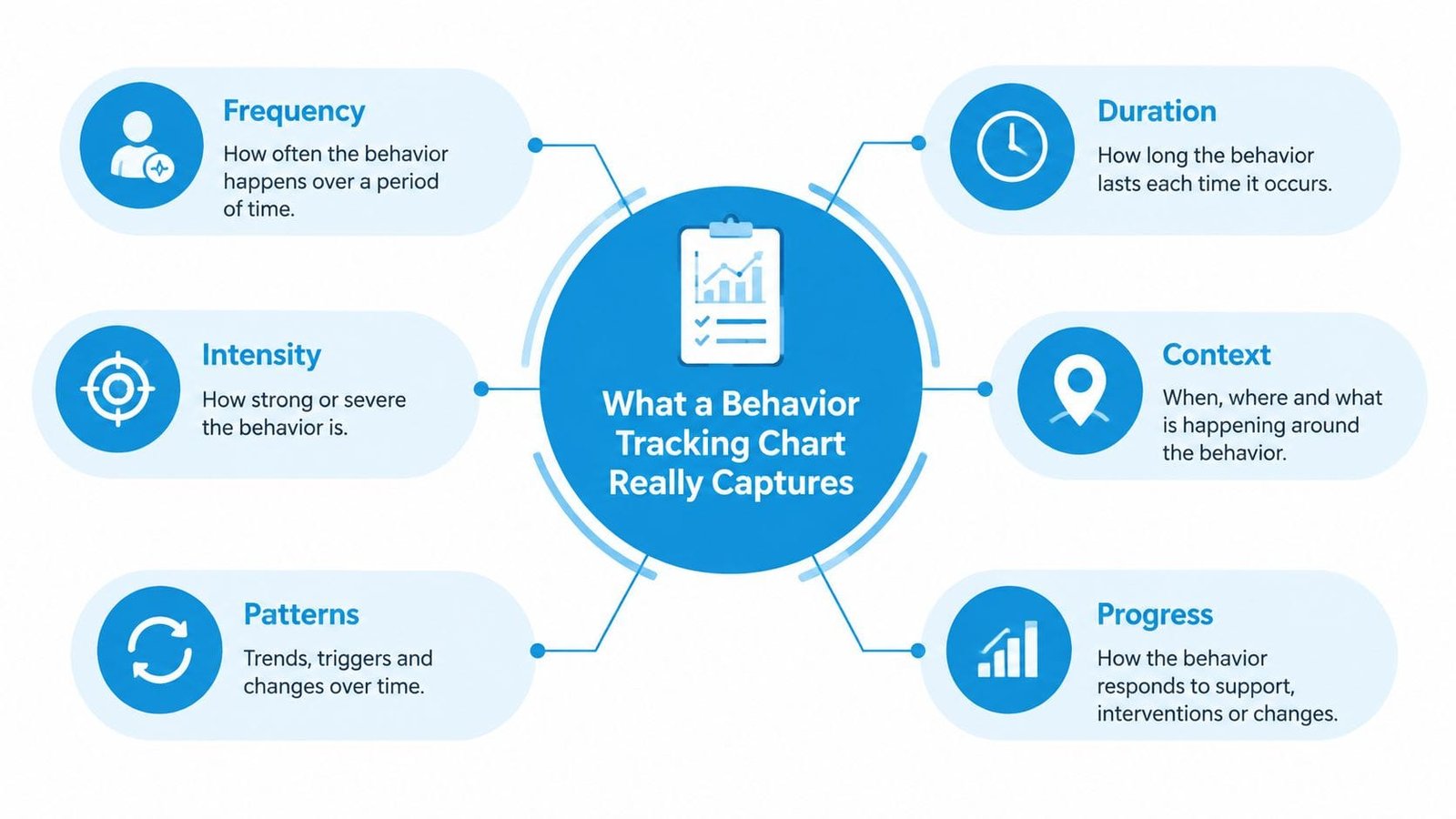
Choose the measurement that fits the behavior
Families often mix up the main measurement columns. Each one answers a different question:
| Measurement | What it tells you | Example |
|---|---|---|
| Frequency | How many times the behavior occurs in a defined period | Number of times a child leaves the table |
| Duration | How long one episode lasts from beginning to end | Minutes spent crying |
| Interval | The time between incidents or the presence of behavior during set intervals | Whether the behavior occurred during a scheduled observation period |
| Intensity | How severe the behavior appeared according to a defined rating system | A family's agreed rating for force or disruption |
Frequency works well for countable events. Duration suits episodes with a clear beginning and end. Interval recording can be useful when a behavior happens so often that counting every occurrence is unrealistic. Intensity can add context, but only if everyone understands what each rating means.
Behavior tracking practice commonly uses frequency, duration, interval, intensity, and ABC collection, with guidance to begin with one or two target behaviors and review entries over 1–2 weeks for repeated triggers and outcomes (frequency data sheet guidance). Keep one primary measurement column at first so the chart stays readable, especially on a phone.
The chart is a snapshot, not a verdict. It describes recorded events and supports a working hypothesis. It doesn't diagnose a child or prove that one event caused another.
Picking One Target Behavior You Can Actually Define
The fastest way to make a behavior tracking chart unusable is to track everything. Meltdowns, refusal, sleep, food, vocalizations, transitions, screen use, and sibling conflict may all matter, but recording them simultaneously can exhaust the person holding the phone.
Start with one target behavior for the first two weeks. Choose the behavior that creates the clearest safety concern, disrupts daily life most often, or raises the most important question for your care team. Practical guidance recommends defining one or two behaviors in observable terms, using consistent settings and time windows, and selecting one measurement method at first (behavior data collection sheets).
Use the video test
Write the label you currently use. Then ask, “If I showed a short video to another caregiver, would we agree that the behavior happened?” If the answer is no, remove assumptions about emotion, motivation, or character.
“Defiance” might mean refusing a request, turning away, leaving the area, or arguing. “Tantrum” might include crying, dropping to the floor, throwing objects, or hitting. Those actions should be separated if they matter to the question you're trying to answer.
| Vague Label | Observable Definition | Easy to Confirm on Video? |
|---|---|---|
| Tantrum | Cries, drops to the floor, or throws an object after a request | Yes, if each action is recorded |
| Defiance | Says “no,” pushes materials away, or walks more than a few steps from the activity after an instruction | Yes |
| Aggression | Hits another person with an open hand | Yes |
| Disruption | Sweeps materials from the table onto the floor | Yes |
| Anxiety | Repeatedly asks the same question and covers ears during a routine change | Partly, if the actions are defined |
Match the logging method to real life
For a low-frequency behavior, record every incident. For a high-frequency behavior, use time-sampled check-ins, such as noting whether it occurred during each 30-minute interval. If neither approach is realistic, make a short daily tally and mark what you missed.
The best method is the one your family can use consistently. A simpler chart with honest gaps is more informative than a detailed form that disappears after a difficult day.
Logging an Entry in the Moment
Suppose your child refuses a shirt before school. You're holding the clean shirt in one hand, checking the time with the other, and trying not to escalate the situation. You don't need a polished paragraph. Start with the timestamp.
Write the time first, then capture the three ABC fields:
- Antecedent: Who was present? What was requested? What changed in the environment?
- Behavior: What did the child do or say? Record actions, words, and observable timing.
- Consequence: What did the adult do next? What changed, and how did the episode end?
A concrete entry might look like this:
- Time: 7:18 a.m.
- Antecedent: Parent presented a new shirt and said, “Put this on.” Child had just finished breakfast.
- Behavior: Child pushed the shirt to the floor, cried, and hit the table twice.
- Consequence: Parent moved the shirt away, offered the usual shirt, and helped with the sleeve. Crying stopped after the usual shirt was put on.
Avoid words that claim to know what the child intended. “Angry,” “manipulative,” and “testing me” may reflect how the moment felt, but they don't tell another observer what happened.
| Column | Judgment-Laden Entry | Observable Entry |
|---|---|---|
| Antecedent | Child was being difficult about getting dressed | Parent presented a new shirt and gave a dressing instruction |
| Behavior | Child got angry | Child pushed the shirt to the floor, cried, and hit the table twice |
| Consequence | Child manipulated me into getting the old shirt | Parent offered the usual shirt, and child put it on |
| Duration | It lasted forever | Crying continued until the usual shirt was provided |
If you can, note the timestamp before writing the description. Then add the duration when the episode ends. Recording immediately or as soon as possible reduces the chance that interpretation will replace observation, a point also emphasized in ABC behavior tracking guidance.
For caregivers who are already carrying a child, preparing a sibling, or moving through a rushed routine, behavioral support from Friendly ABA can provide broader ideas for teaching and responding to skills. For the chart itself, a hands-free note-taking workflow can make it possible to capture the first facts without stopping the entire routine.
Thirty-second rule: Log the essential facts right after the episode, even if the wording is plain. A timely rough entry beats an elegant entry based on fading memory.
Reading Patterns Without Jumping to Conclusions
A week of entries is easier to understand when you scan it in more than one direction. Start with a vertical scan. Look down the time column and mark repeated periods, such as mornings, school pickup, meals, or transitions. Then scan the setting column. Notice whether the same room, activity, caregiver, or type of demand appears beside multiple entries.
The third scan focuses on demands and changes. Did the behavior appear after a new instruction, the end of screen time, a change in clothing, an unexpected visitor, or a disrupted routine? Don't search only for the most dramatic row. Quiet repetitions often offer more useful information than one unusually intense episode.
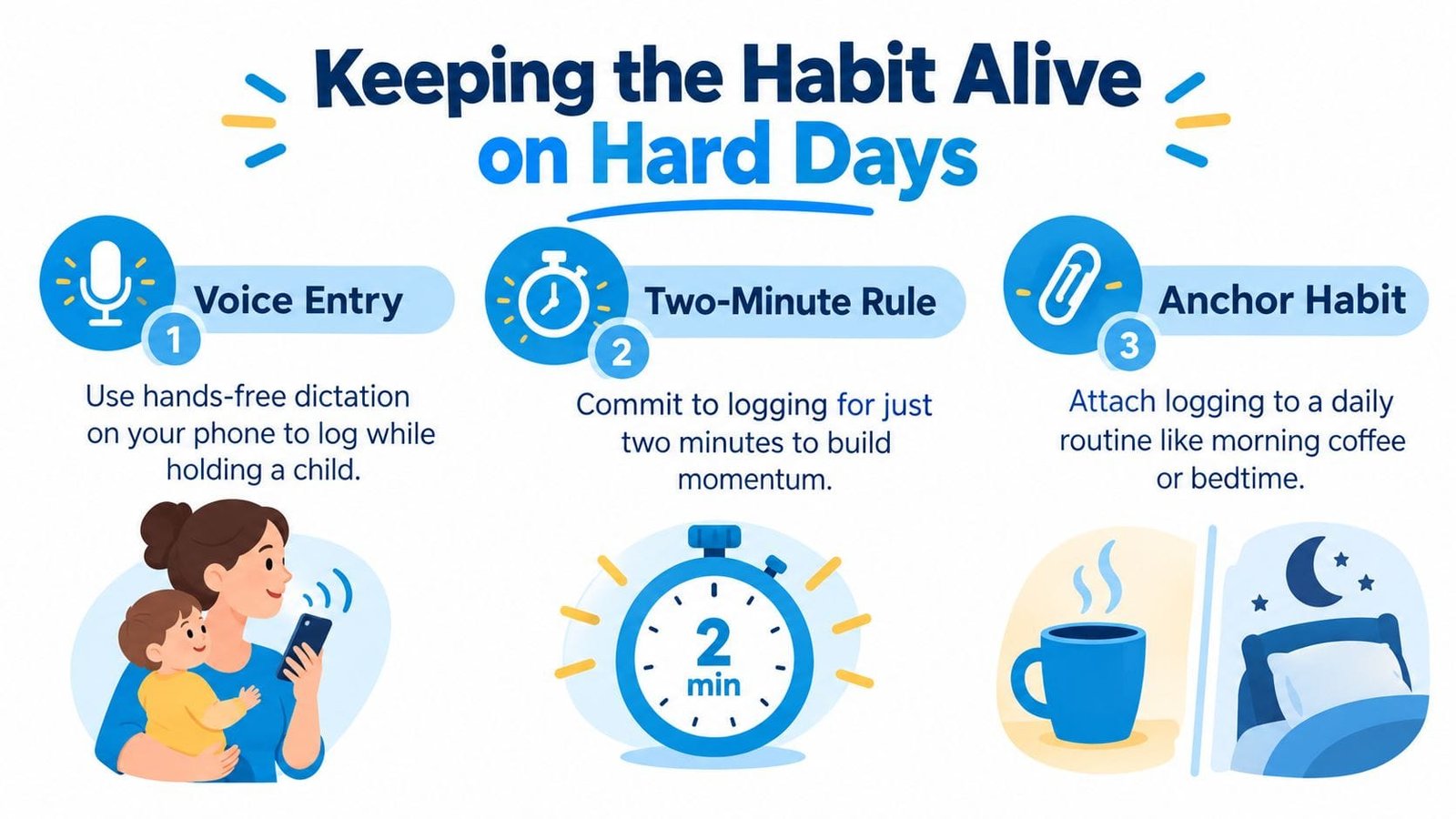
Separate a pattern from an outlier
One dramatic incident can dominate your memory and still be an outlier. Review repeated entries before changing an intervention. Independent autism guidance recommends looking for patterns over 1–2 weeks rather than treating a single event as proof of a cause (using an ABC chart).
A useful working threshold is to wait for three or more similar entries before describing a possible pattern. This isn't a diagnosis rule. It's a guardrail against reacting to one unusual day.
Correlation can also mislead you. If behavior appears before dinner several times, dinner may not be the cause. Hunger, fatigue, a late transition, noise in the kitchen, or a change in routine may be shared factors. The chart helps you form a question. It doesn't settle causation by itself.
Try writing one sentence that you could read aloud to another caregiver:
“Across several entries, the behavior appeared most often during evening transitions, especially when the usual routine changed, but we haven't confirmed which part of the transition matters.”
That sentence stays close to the data. It avoids “always,” “never,” and “because.” A pattern-recognition example for behavior tracking can help you practice turning individual rows into cautious, useful summaries.
Keeping the Habit Alive on Hard Days
Tracking usually breaks down for practical reasons, not lack of care. The child needs help, the phone is out of reach, the parent feels guilty about the previous episode, or a missed day creates the feeling that the whole record is ruined.
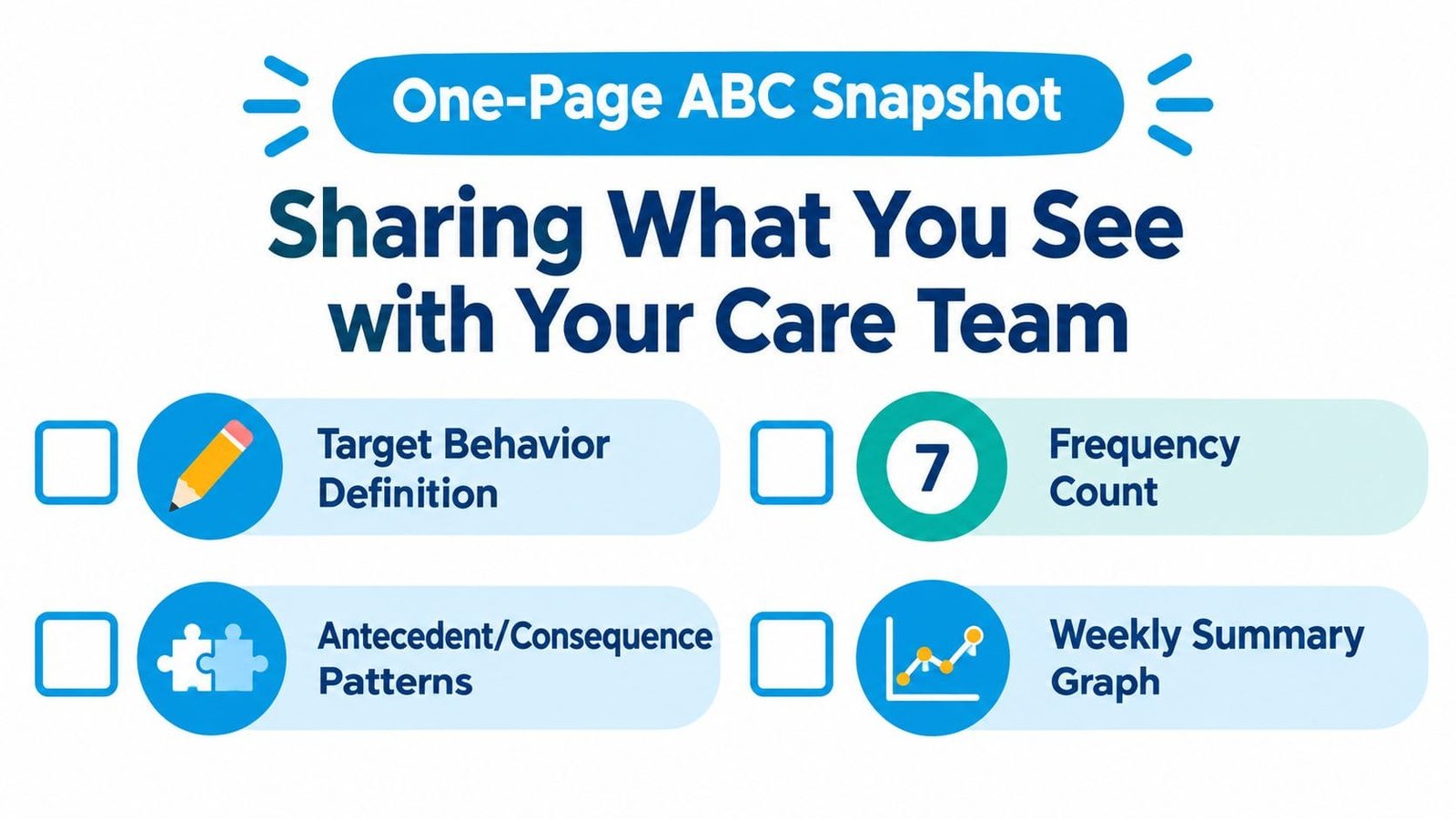
Use a low-friction plan:
- Voice entry: Dictate a short note while holding a child or managing a transition. Say the time, what happened before, the observable behavior, and what followed.
- Two-minute rule: Commit to recording for two minutes. One accurate phrase is enough to keep the habit alive.
- Anchor habit: Review or complete entries alongside an existing routine, such as morning coffee or bedtime preparation.
- Missed-entry protocol: Write “sick day, no logging” or “no entry, caregiver unavailable.” A visible gap is more honest than pretending the day didn't happen.
- Weekly review: Set aside a short review period to identify repeated times, settings, and outcomes.
A mobile companion can reduce repeated typing by keeping the date, child, and recent target behavior available, leaving you to record what changed. Guiding Growth is one example of an app that combines behavior logging with context such as triggers, intensity, and duration, alongside sharing features for family members and professionals. Other families may prefer a spreadsheet, paper form, or notes app. The right choice is the one that preserves the information without adding pressure.
Emotional resistance deserves attention too. Logging isn't an accusation against your child, and a worsening pattern isn't proof that you've failed. It's often the moment when accurate context becomes most valuable. Families balancing attention, regulation, and daily demands may also find practical ideas in this resource on Right to Choose ADHD support.
Sharing What You See with Your Care Team
A therapist doesn't need a phone full of unfiltered rows to begin a useful conversation. They need a concise summary that shows what you tracked, how you defined it, and what question you want answered.
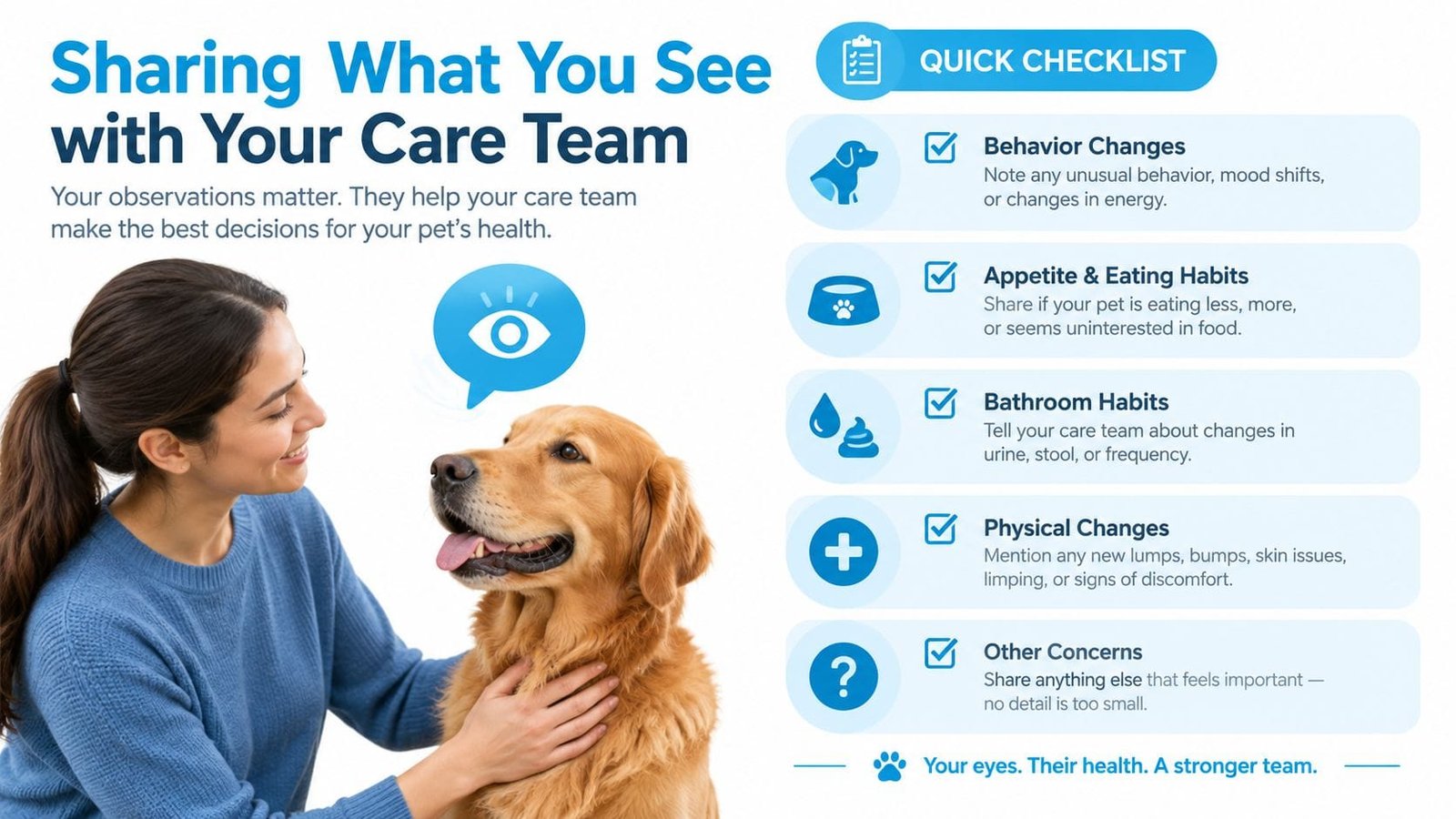
Create a one-page snapshot from the week:
- Target behavior definition: Use the exact observable wording.
- Frequency count: Total the entries using the same measurement method.
- Average duration: Include this only if duration was recorded consistently.
- Peak time: Note the period when entries clustered.
- Top antecedents: List the two situations that appeared most often.
- Consequences: Describe what commonly followed.
- Example entries: Include one or two rows exactly as recorded.
- Main question: Ask what you want the team to help interpret or test.
If your app supports export, save a PDF or screenshot after checking that the child's name, dates, and notes are correct. Redact information about other children, unrelated family members, school staff, or medical details that the recipient doesn't need. Share through a secure channel approved by your care team, not a public post or an unprotected group chat.
Use the same handoff language with partners, babysitters, and grandparents:
“Please write what happened immediately before, what the child did, and what happened after. Use actions, not labels. If you miss a day, write that down instead of filling in a guess.”
A structured information-sharing platform can help families keep records available to the people involved in care, provided everyone follows appropriate privacy practices.
Printable handoff checklist
- Confirm the behavior definition.
- Tally the recorded events.
- Note repeated time clusters.
- List the most common antecedents.
- Describe the usual consequences.
- Attach one concrete example.
- Write one question for the care team.
- Share the summary securely.
Guiding Growth brings behavior logging, contextual triggers, duration and intensity notes, visual review, and caregiver collaboration into one mobile workflow, with voice logging for moments when typing isn't realistic. If you're ready to replace scattered notes with a clearer weekly record, visit Guiding Growth and explore whether it fits your family's routine.